
Stopping smoking is more than just beating your addiction to nicotine. The very act of the physical habit of lighting up and bringing the cigarette to your mouth multiple times a day (sometimes up to 50) creates a behavioral pattern many smokers underestimate. This is why the knowledge of nicotine gum and oral fixation oral fixation becomes crucial in the process of successful quitting.
What Is Oral Fixation in Smoking?
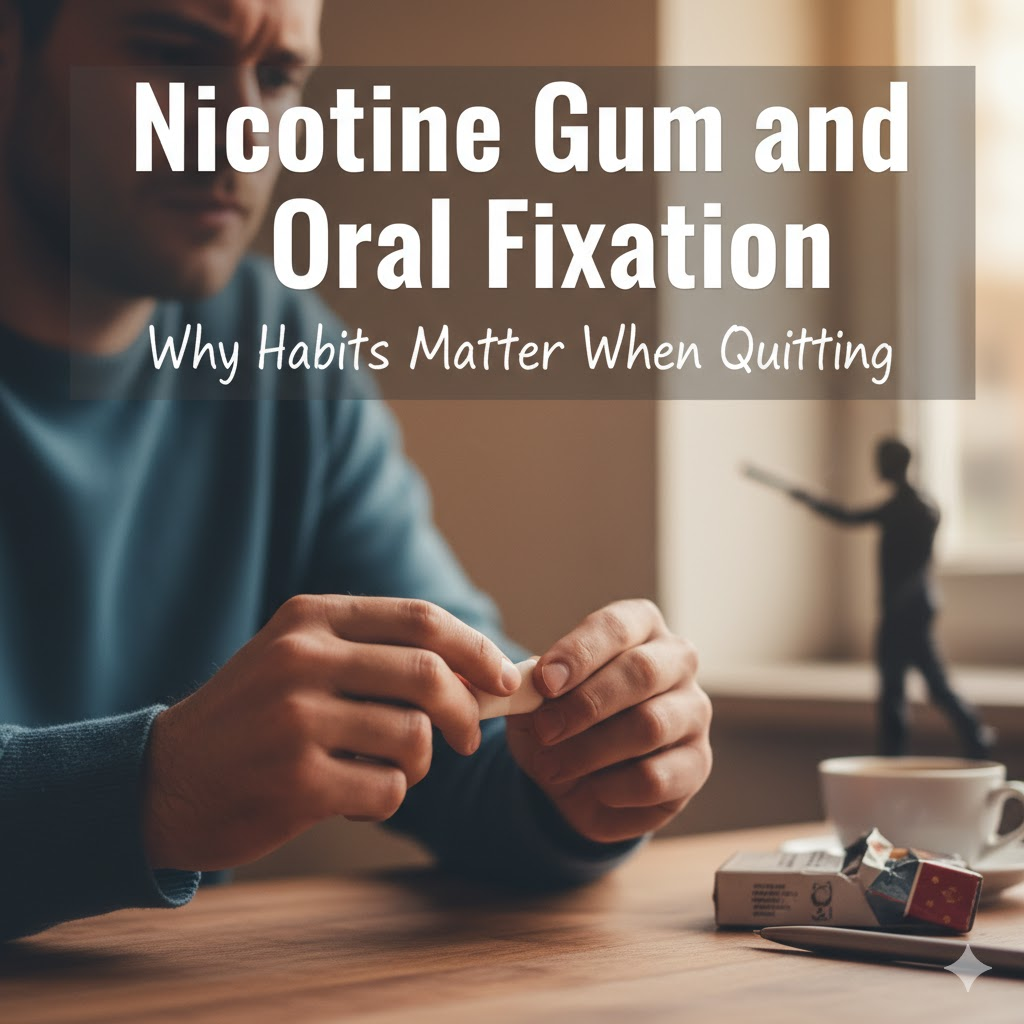
Oral fixation is a psychological and physical satisfaction resulting from holding or having something in one’s mouth. This is not just about nicotine addiction for smokers. The hand-to-mouth movement, the feeling of breathing in, and the oral gratification become conditioned survival habits linked with particular cues, such as feeling anxious or during a break, or meeting friends.
Behavioral addiction contributes to a large percentage of smoking addiction, research suggests. When you light up after a meal or reach for a cigarette with your morning coffee, nicotine is the least of what you’re after. Your brain has been trained to expect these times to be its ritual times.
How Nicotine Gum Addresses Both Challenges
Nicotine gum has two applications in tobacco control efforts. 1 It provides a controlled intake of nicotine, which helps to avoid the symptoms of nicotine withdrawal, such as irritability, anxiety, and strong desires for nicotine. This deals with the chemical addiction part.
Chewing often has an overlooked oral stimulation effect that is similar to using nicotine gum. Chewing gum also occupies your mouth and gives you a little bit of that oral fixation that cigarettes provide. Behavioral strategies are particularly useful for those who have difficulty coping with the behavioral aspects of quit attempts.
The gum operates by a particular method: You chew it slowly until a peppery taste comes out, then you park it between your gum and cheek. So nicotine is absorbed through the lining of the mouth, and your mouth is busy while at it.
Why Behavioral Habits Are Hard to Break
Habits are built on repetition and reinforcement. Smoking is intertwined with your everyday life as you respond to smoking-related cues. Common triggers include:
- Eating meals (or finishing them)
- Drinking coffee or an alcoholic beverage
- Taking breaks at work
- Feeling stressed or bored
- Attending social events
- Driving the car
Each trigger gives rise to an automatic craving to smoke, even when there is enough nicotine in the body. This would explain why some people have a hard time quitting even when using the nicotine patch, which delivers a steady source of nicotine, but no behavioral substitute.
Combining Nicotine Replacement with Habit Modification
Effective quit methods work for both kinds of addiction. Nicotine gum is helpful, but modifying habits consciously gets you finished sooner.
Know what your smoking triggers are and have alternatives ready. If you are in the habit of smoking on breaks, try going for a walk. Are you feeling stress that is making you crave? Have healthy snacks, such as carrot sticks or sunflower seeds, on hand to keep your mouth busy.
Some people succeed with the so-called “three Ds” method: They delay the craving for five minutes, drink some water, and do something else. This disrupts the automatic trigger-response cycle that your brain has come to expect.
Potential Drawbacks to Consider
Nicotine gum satisfies the need for oral fixation, but can also become addictive. A few users get started on the gum but then prolong chewing much longer than they should, because they’ve simply swapped one oral habit for another. That’s not really harmful; it just extends the nicotine dependency.
It’s important to chew it the right way. Eating too fast, or swallowing nicotine-filled saliva, can trigger hiccups, heartburn, or nausea. Use as instructed on the label for maximum comfort and effectiveness.
Creating a Complete Quit Plan
Nicotine gum is most effective when used in combination with other approaches. Supportive counseling, help groups, and programs that your phone can send you when you get tripped up can really raise your odds of success in concert with nicotine replacement therapy.
Make a quit date, and if you feel daunted by going cold turkey, cut down. Monitor your progress and note progress points. Most importantly, realize that you need to treat the oral fixation and the behavioral habits just as much as the nicotine withdrawal symptoms.
Becoming smoke-free requires re-training your brain’s autopilot responses. Nicotine gum is to buy you time to develop new healthy habits while your body gets used to living without cigarettes. Both the chemical and behavioral sides of addiction can be defeated with the right approach and enough patience.
