
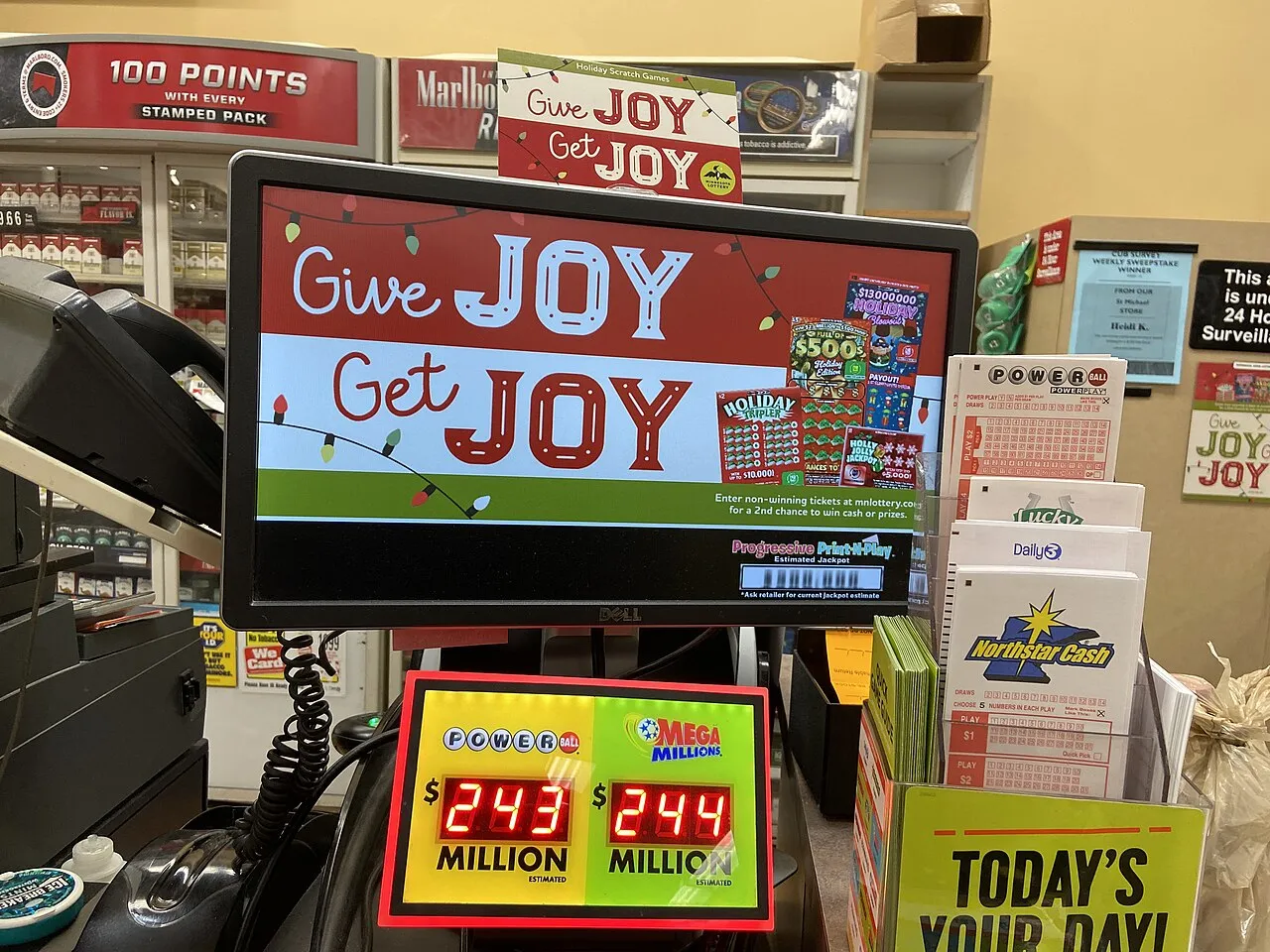
Every big jackpot invites the same pub-quiz question: what would you actually get? With Powerball’s jackpot at $562 million, the honest answer is a chain of subtractions — the cash option first, then federal withholding, then the final tax settlement, with state tax depending on where the ticket was sold. Our blog does the maths in plain language.
Step one: the headline is the annuity
The $562 million figure assumes the winner takes the annuity: thirty annual payments that rise over time and sum to the advertised total. The lump-sum alternative — the cash option — is the amount actually in the prize pool, and it is markedly lower than the headline before tax enters the picture at all.
Think of the two options as different products. The annuity is a salary for three decades, with the lottery holding and growing the money. The lump sum is a business deal: less money, immediately, with all decisions — and all risks — transferred to the winner.
Step two: withholding, then the real bill
US lottery prizes are taxed as ordinary income, and the tax starts automatically: federal withholding is deducted from large prizes before payment, and many states withhold their own share too. Withholding is calibrated as an advance, not a settlement — a jackpot of this size sits in the highest federal bracket, so winners routinely owe a further substantial sum when they file.
State rules are the wild card. Some states do not tax lottery winnings at all; others take a meaningful cut, generally based on where the ticket was purchased. Two winners of the same jackpot can therefore keep noticeably different amounts purely because of geography. The official rules and prize details live at Powerball.com.
Step three: how tax changes the annuity argument
The annuity’s underappreciated feature is tax pacing. Thirty payments taxed across thirty years can produce a gentler overall burden than one enormous income year — and it protects the winner from the single most reliable jackpot risk, which is the winner. Its costs are rigidity and exposure to future tax law, which can move in either direction across three decades.
The lump sum’s argument is opportunity: invested well, a smaller amount today can outpace the annuity’s schedule. Its tax cost is immediate and total, and its behavioural risk — spending the principal — is the story behind most jackpot cautionary tales.
What the winner really keeps
Add the chain together and the kept amount from a $562 million headline is a fraction of the poster number — the cash option trims it, federal tax trims it again at top-bracket rates, and state tax may trim it once more. The remainder is still generational money; it is simply not the number on the sign.
That gap between advertised and actual is the real maths lesson of jackpot week. Prizes, bonuses and payouts throughout financial life are quoted gross and lived net — and the people who understand withholding before the money arrives are the ones who plan with the real figure.
The bottom line on the jackpot
Jackpot week rewards a particular kind of literacy: the ability to translate a gross headline into a net reality. The $562 million figure is real, but it is the start of a calculation — cash option, withholding, final tax, state rules — not the end of one.
Bands know the shape of this choice instinctively: the big advance now, or the royalty stream for decades. The maths favours whichever option the winner can actually govern — a lump sum only wins if it is invested like an annuity, and an annuity only wins if life cooperates with the schedule. Either way, the tax authority is the one bandmate who never misses a performance.
