Close Menu
    What's Hot

    How to Tell When Cracked Steps Need More Than a Cosmetic Repair

    August 27, 2026

    Dewatogel: Understanding the Appeal of Low-Cost Toto Macau Lottery Platforms

    August 15, 2026

    Slot Gacor: The Ultimate Guide to Modern Online Casino Entertainment

    May 16, 2026
    Facebook X (Twitter) Instagram
    • Home
    • Kira Mac
    • Gig reviews
    • Samantha Fish
    • Rock Tours Gig Guide
    • Dirt Box Disco
    RockBandNews
    Home»Blog»Your Dog’s Gut May Be Steering Its Behaviour. Science Is Paying Attention
    Blog

    Your Dog’s Gut May Be Steering Its Behaviour. Science Is Paying Attention

    Alba MartinBy Alba MartinOctober 19, 2026No Comments4 Mins Read
    Facebook Twitter Pinterest Reddit Telegram LinkedIn Tumblr VKontakte WhatsApp Email
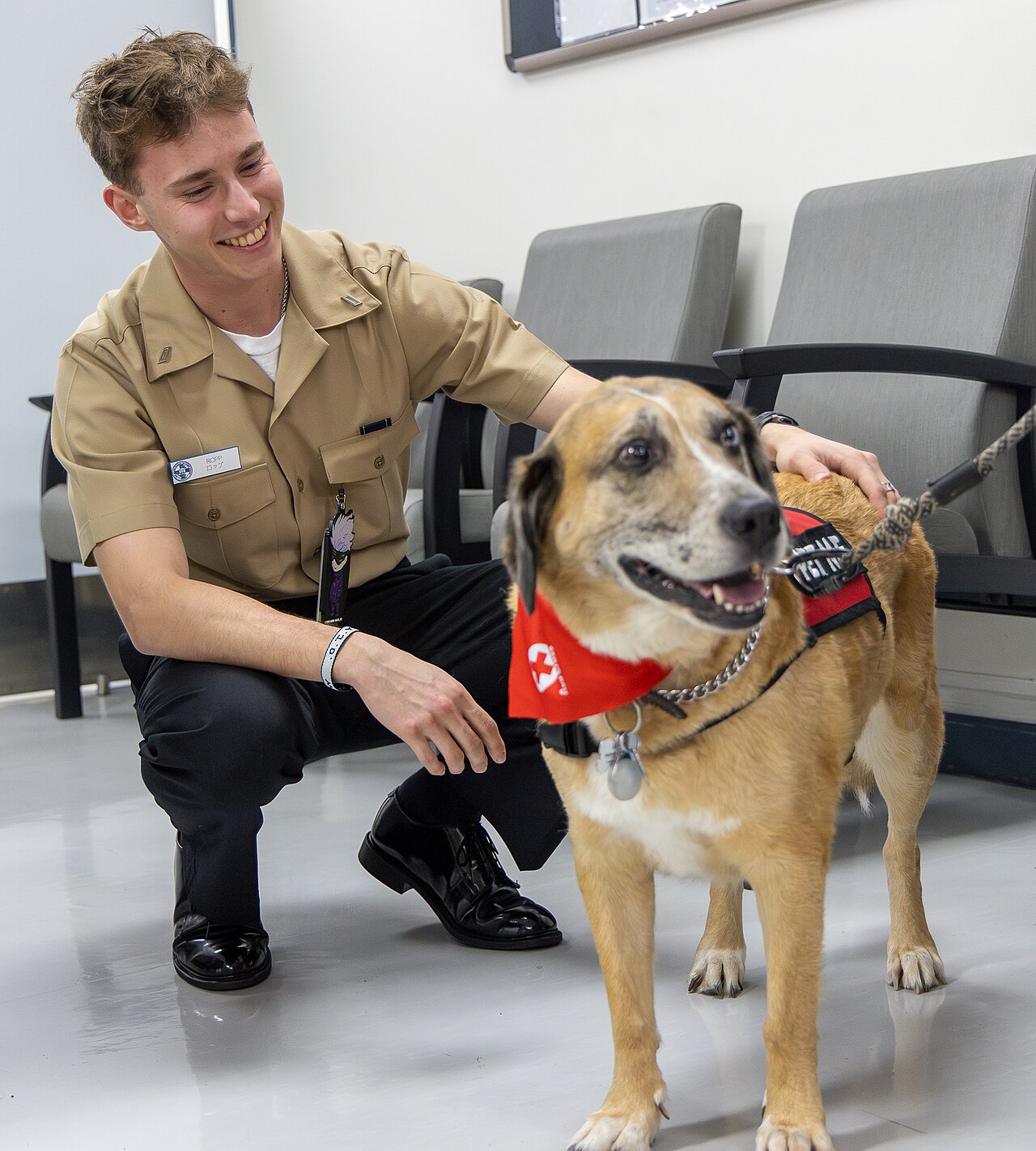
    A therapy dog sitting with its handler
    YOKOSUKA, Japan (May 9, 2025) - U.S.Naval Hospital (USH) Yokosuka recently welcomed a new kind of support team: therapy dogs from the American Red Cross Animal Visitation Program (AVP), aimed at improving the mental health and emotional well-being of service members, staff, and patients across the installation. Launched in Yokosuka in February, the AVP pairs certified therapy dogs and their trained handlers with commands across Commander Fleet Activities Yokosuka (CFAY) to offer moments of relief, comfort, and connection for those facing the stresses of military life. "Visits from an animal visitation team can provide a welcome change from a routine," said Mary Mekeal, American Red Cross Chapter Program Director. "People tend to be more active and responsive both during and after a visit. Quite often, individuals who have been reclusive will come out of their shell and start to play with the animals. While this may seem minor, for some, it's a major milestone." The initiative is more than just a morale booster— it's a tool rooted in research showing the physical and psychological benefits of animal interaction. Petting a dog can lower blood pressure, reduce feelings of isolation, and ease anxiety. In clinical and non-clinical settings alike, the presence of animals has made it easier for Sailors and staff to open up emotionally, connect with others, and engage in conversation. "Animals accept people for who they are and pay no attention to age or mental or physical ability," Mekeal said. "They become a focal point that makes socializing and accepting help less intimidating." Capt. Torrin Velazquez, Director of USH Yokosuka, emphasized the program's importance for forward-deployed forces. "The operational tempo overseas can take a heavy emotional toll on our Sailors, especially those far from family support," Velazquez said. "Therapy animals bring an unmatched sense of calm and connection that helps reduce stress and fosters resilience throughout the force." Currently, the Yokosuka AVP includes two therapy dogs-Penny and Luna-Penny is handled by Jacee Maldonado and Luna is handled by Sebastian Martinez, with additional teams undergoing the onboarding process. All participating animals must be assessed by a certified Canine Good Citizen Evaluator and a military veterinarian and must be up to date on vaccinations. Handlers are also vetted and trained to ensure the highest standards of safety and care. The Red Cross developed the AVP in coordination with military partners to serve the specific needs of Navy medical facilities and the broader military community. While the program is still new to Yokosuka, similar efforts across the globe have shown strong results. "As a veteran and someone who worked closely with military working dogs, l've seen firsthand the power a dog can have—not just operationally, but emotionally," said a participant from a similar program in Southern California. "These animals are stabilizers during chaos, silent listeners during grief, and loyal morale boosters during long deployments." Commands interested in hosting therapy animal visits can submit requests through the American Red Cross. Each request is assessed individually to ensure the right fit between the therapy animal and the event's environment-whether it's a hospital ward, a crowded family festival, or a shipboard crew. As the program continues to expand, the hope is that more Sailors and their families at Yokosuka will benefit from the comfort, connection, and calm that only a wagging tail and a pair of warm eyes can bring.

    Ask any dog owner and they will tell you the gut and the brain are connected — usually while describing exactly what stress does to their dog’s digestion. Science is now formalising that folk wisdom. The canine microbiota–gut-brain axis has become a serious research field, with studies mapping how the trillions of microbes in a dog’s digestive system correspond to anxiety, sociability, trainability and even cognitive ageing.

    A model hiding in plain sight

    What makes dogs scientifically precious is that they are not laboratory abstractions. They share human homes, eat industrially produced diets, take similar medications and get anxious about similar things — visitors, noises, being left alone. Reviews by veterinary research groups, including work publicised by the Royal Veterinary College, describe the dog as a “sentinel and model”: its microbiome responds to the modern environment the way ours does, and its behavioural repertoire — measured with validated owner questionnaires and behavioural tests — is rich enough to correlate meaningfully with microbial data.

    What studies keep finding

    The patterns recur across cohorts. Dogs with anxiety-related behaviour problems show gut microbial profiles distinct from relaxed dogs, including differences in bacteria that produce short-chain fatty acids and neurotransmitter precursors. Shelter dogs under chronic stress show shifted microbiomes that partly normalise after rehoming. Puppies’ early microbial colonisation tracks with later behavioural tendencies, echoing the developmental windows found in human infant research. And in ageing dogs, microbial diversity aligns with performance on memory tasks — a parallel to human findings that has made the humble Labrador a contributor to dementia science. Some of the most cited work appears in journals indexed by PubMed, where the field’s publication count has multiplied in five years.

    Can you feed a calmer dog?

    The commercial world has noticed: probiotic supplements for anxious dogs are now a shelf category. The evidence for specific products is thinner than the marketing — a handful of controlled trials report modest improvements in stress behaviours with particular strains and fibre blends, but doses, strains and study quality vary widely. Behaviourists caution that no supplement substitutes for training, exercise and veterinary care, and that gut-directed diets are best understood as one lever among several. Still, the direction of research is unmistakable: diet is being studied as a behavioural intervention with the same seriousness as medication. Our science coverage separates the findings from the hype.

    Why owners should care

    Reading your own dog differently

    The research invites owners to observe their dogs with fresh eyes. Appetite changes that precede behaviour changes; stress that reliably announces itself in the gut before the mood; the puppy whose early tummy troubles shadow later nervousness — these are the everyday data points the gut–brain framework suddenly organises. Vets increasingly incorporate the lens: a behaviour consultation that includes diet history, gastrointestinal signs and medication review is practising gut–brain medicine whether it uses the term or not. None of this replaces training or medical diagnosis, and the field’s own leaders warn against turning correlation into shopping lists. But as a way of understanding the animal asleep in the corner — as an ecosystem, not just a pet — it is genuinely new, and it is not going away.

    Beyond products, the research reframes everyday care. Antibiotics, abrupt diet changes and chronic stress all perturb the microbiome; gradual transitions, dietary fibre diversity and stable routines support it. If your dog’s behaviour changes suddenly, the gut–brain literature adds one more reason vets ask about appetite, stool and diet before behaviour. The dog on the rug, it turns out, is carrying a second brain in its belly — and science is finally reading what it has to say. More animal science at our homepage.

    Animal Behaviour Dogs Microbiome Research Science
    Previous ArticleBands, Fans and Uploads: Small Platforms Can Finally Moderate Properly
    Next Article Europe’s Silent Killer: The Heat Deaths Hiding in Plain Sight
    Alba Martin

    Related Posts

    Europe’s Silent Killer: The Heat Deaths Hiding in Plain Sight

    October 19, 2026

    Bands, Fans and Uploads: Small Platforms Can Finally Moderate Properly

    October 18, 2026

    Annuity or Lump Sum After Tax? The $562 Million Powerball Maths

    October 18, 2026

    Ultra-Processed Food Debate: New Study Maps Industry Ties Behind Critical Papers

    October 17, 2026
    Leave A Reply Cancel Reply

    Latest Post

    How to Tell When Cracked Steps Need More Than a Cosmetic Repair

    August 27, 2026

    Dewatogel: Understanding the Appeal of Low-Cost Toto Macau Lottery Platforms

    August 15, 2026

    Slot Gacor: The Ultimate Guide to Modern Online Casino Entertainment

    May 16, 2026

    Slot MAHJONGJP88 Gaming Features Built for Better Casino Action

    May 15, 2026

    7 Ways to Use 8xbet Statistics Without Overcomplicating Your Bets

    January 23, 2026

    The Geopolitics of Water in Central Asia: Power, Scarcity, and Regional Stakes

    November 28, 2025
    About Us

    Welcome to RockBandNews, your ultimate destination for all things rock and roll. We bring you the latest updates on rock bands, album releases, live performances, and exclusive interviews.

    Our team of passionate rock enthusiasts delivers in-depth reviews and behind-the-scenes insights to keep you connected with the music you love. Stay loud, stay updated – only at RockBandNews. #RockBandNews

    Facebook Instagram Pinterest WhatsApp
    Top Insights

    How to Tell When Cracked Steps Need More Than a Cosmetic Repair

    August 27, 2026

    Dewatogel: Understanding the Appeal of Low-Cost Toto Macau Lottery Platforms

    August 15, 2026

    Slot Gacor: The Ultimate Guide to Modern Online Casino Entertainment

    May 16, 2026
    Contact Us

    We’d love to hear from you! Whether you have questions, need support, or want to share your feedback, feel free to use the contact details below. Our team is ready to assist you.

    • Email: contact@outreach media.io
    • Phone: +92 305 5631208
    • Facebook: Outreach Media
    • Address: 45 Oxford Street, London, W1D 2DZ, UK

    แทงบอลออนไลน์ | Bet88 | Bet88 | Ufa | แทงบอล | บาคาร่า | ufabet | แทงบอลออนไลน์ | หวยออนไลน์ | Depobos | หวยออนไลน์ | เว็บแทงบอล | สล็อต | สล็อต | สล็อต | สล็อต | สล็อตเว็บตรง | สล็อตเว็บตรง | สล็อตออนไลน์ | สล็อต | แทงบอลUFABET | บาคาร่า ออนไลน์ | สล็อต | แทงบอล | บาคาร่า | สล็อตเว็บตรง | สล็อตเว็บตรง | บาคาร่า | Jun88 | ufabet168 | สมัคร UFABET | f8bet | สล็อต | UFABET | สล็อตวอเลท | สล็อตเว็บตรง | สล็อตเว็บตรง | สล็อตเว็บตรง | สล็อตเว็บตรง | บ้านผลบอล | ufa | หวยลาววันนี้

    Copyright © 2026 | All Right Reserved by | RockBandNews
    • About Us
    • Contact Us
    • Disclaimer
    • Privacy Policy
    • Terms and Conditions
    • Write For US
    • Sitemap

    Type above and press Enter to search. Press Esc to cancel.

    WhatsApp us